SUPPORT MATERIAL: KEY WORKS
Sidney Myer Fellowship 2026
A Deceptively Simple Need, 2025 — ongoing
Cups of nun chai, 2010-20
Paper txt msgs from Kashmir, 2009-11
A Deceptively Simple Need, 2025-ongoing
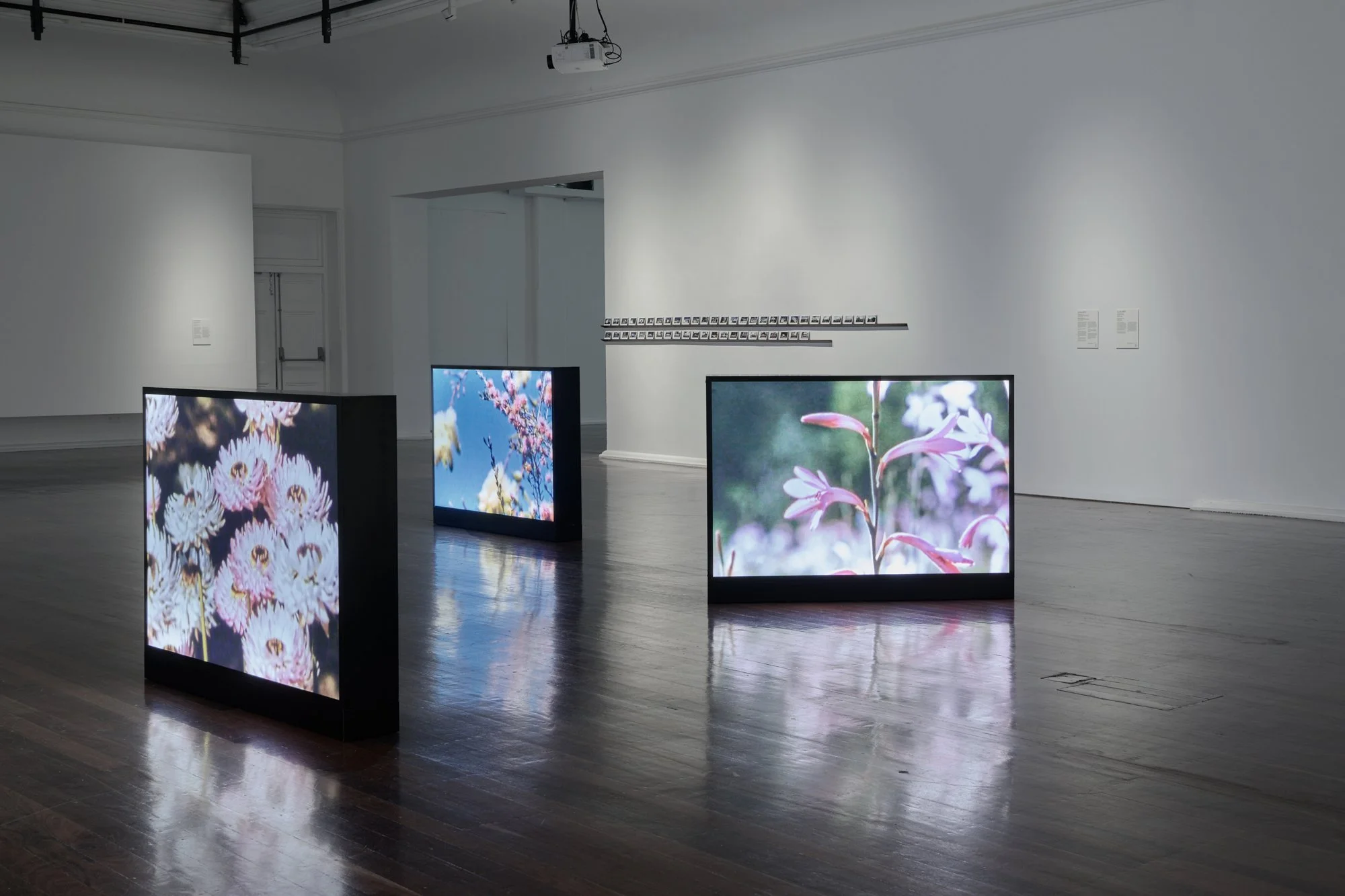
A Riot of Colour (foreground), When We Win Lotto. / Nice Car. Can't Sleep In It. (background) installation view of a Deceptively Simple Need, Perth Institute of Contemporary Art, 2025. Photo: Rebecca Mansell
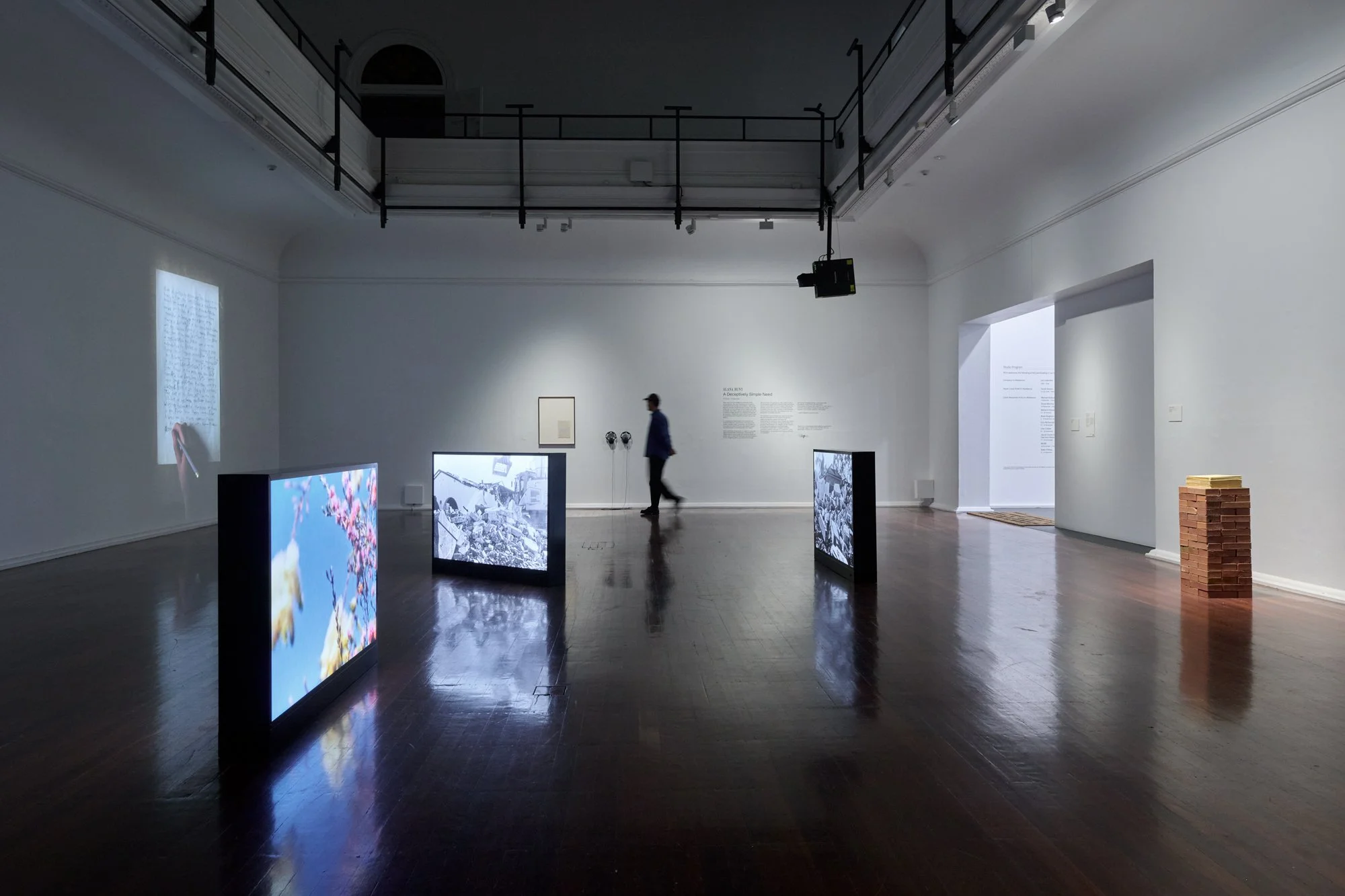
A Riot of Colour / Rubble / Australai's Desterney, To the Owner (of multiple properties), installation view of a Deceptively Simple Need, Perth Institute of Contemporary Art, 2025. Photo: Rebecca Mansell

A Riot of Colour / Rubble / Australai's Desterney, installation view of a Deceptively Simple Need, Perth Institute of Contemporary Art, 2025. Photo: Rebecca Mansell

Rubble / A Community is Formed / Displacement and Replacement, installation view of a Deceptively Simple Need, Perth Institute of Contemporary Art, 2025. Photo: Rebecca Mansell
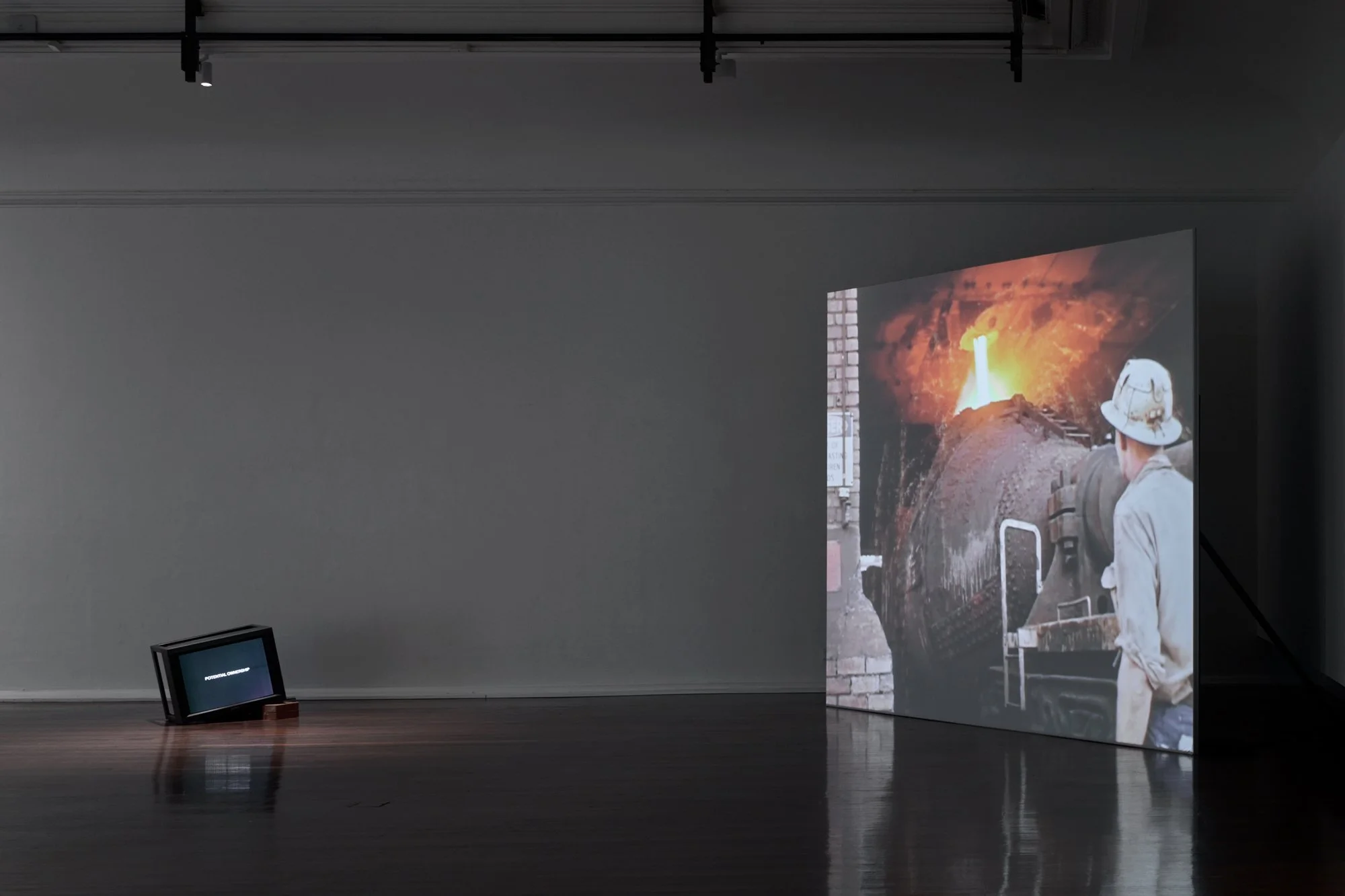
A Community is Formed / Displacement and Replacement, installation view of a Deceptively Simple Need, Perth Institute of Contemporary Art, 2025. Photo: Rebecca Mansell
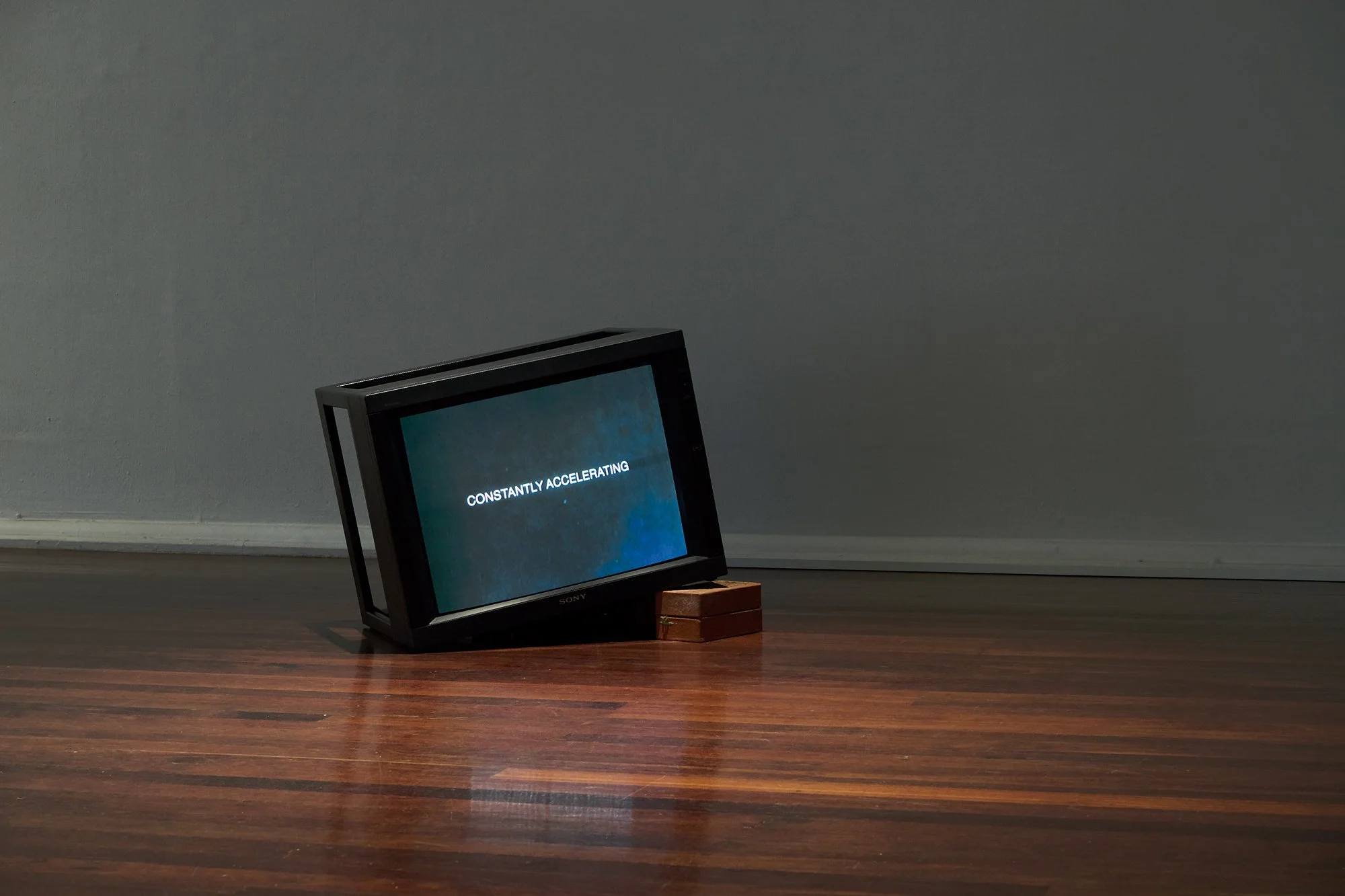
A Community is Formed, Perth Institute of Contemporary Art, 2025. Photo: Rebecca Mansell
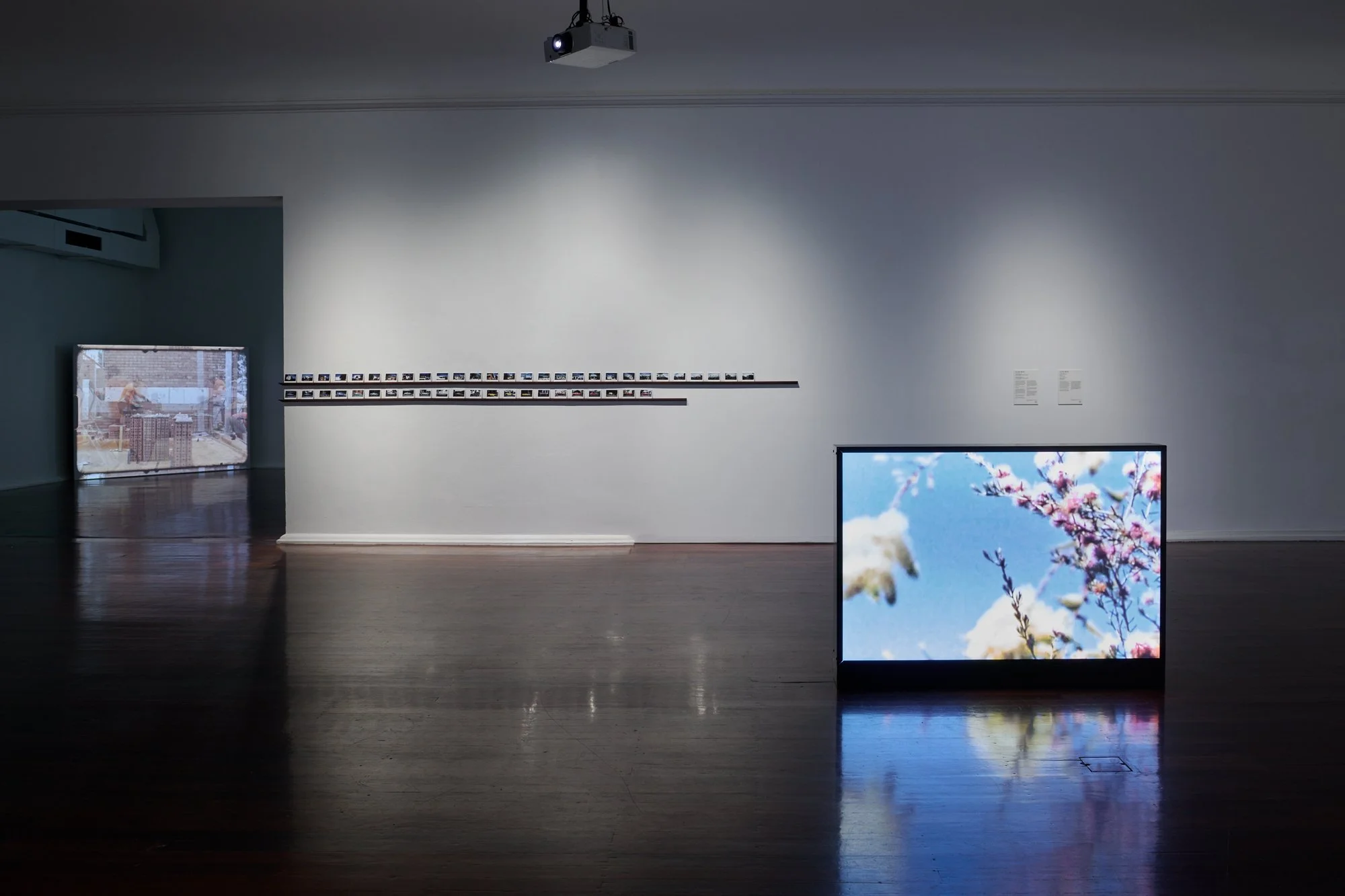
A Riot of Colour / When We Win Lotto. / Nice Car. Can't Sleep In It. / Bricks and Mortar, installation view of a Deceptively Simple Need, Perth Institute of Contemporary Art, 2025. Photo: Rebecca Mansell
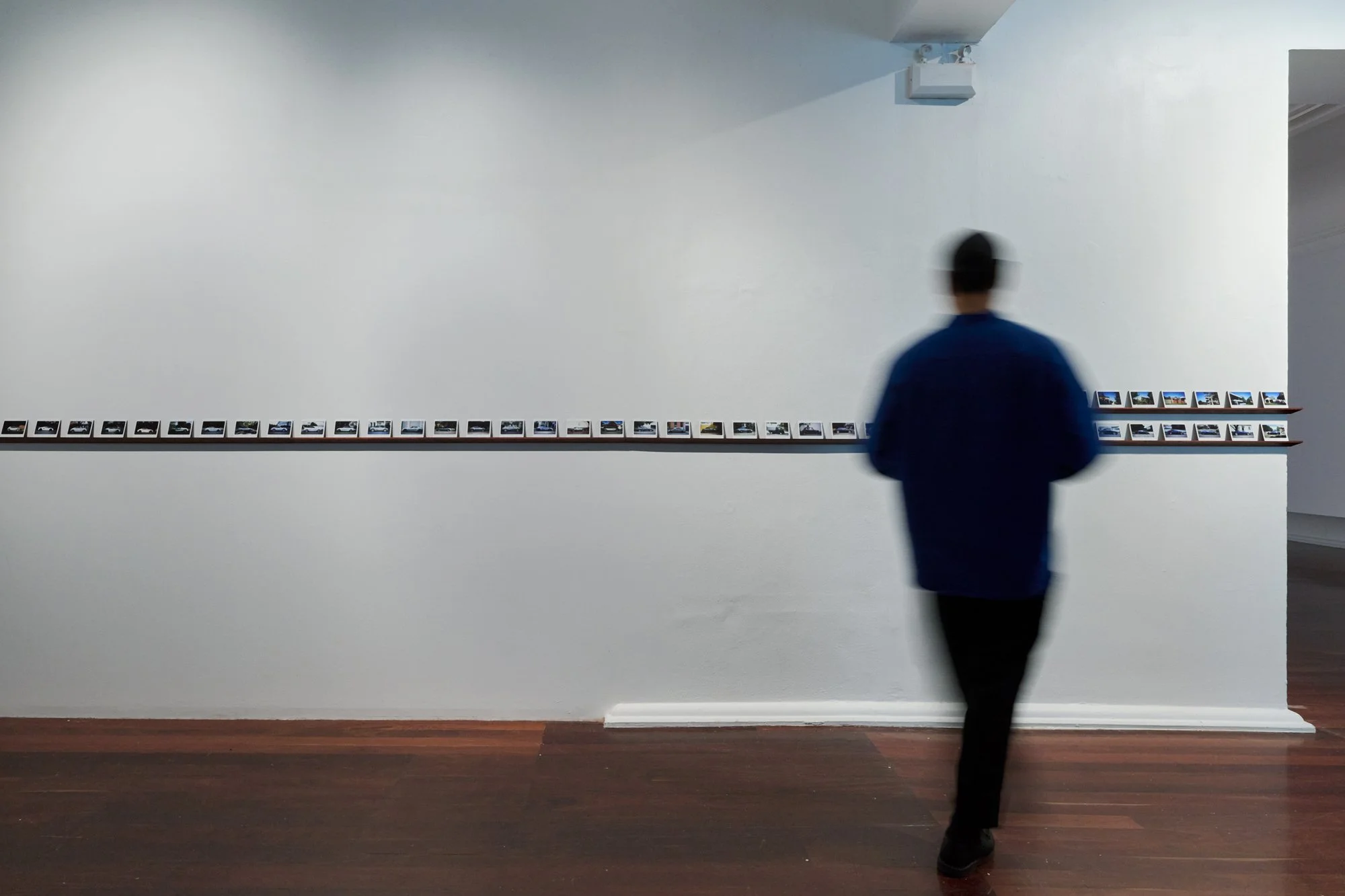
When We Win Lotto. / Nice Car. Can't Sleep In It., installation view of a Deceptively Simple Need, Perth Institute of Contemporary Art, 2025. Photo: Rebecca Mansell
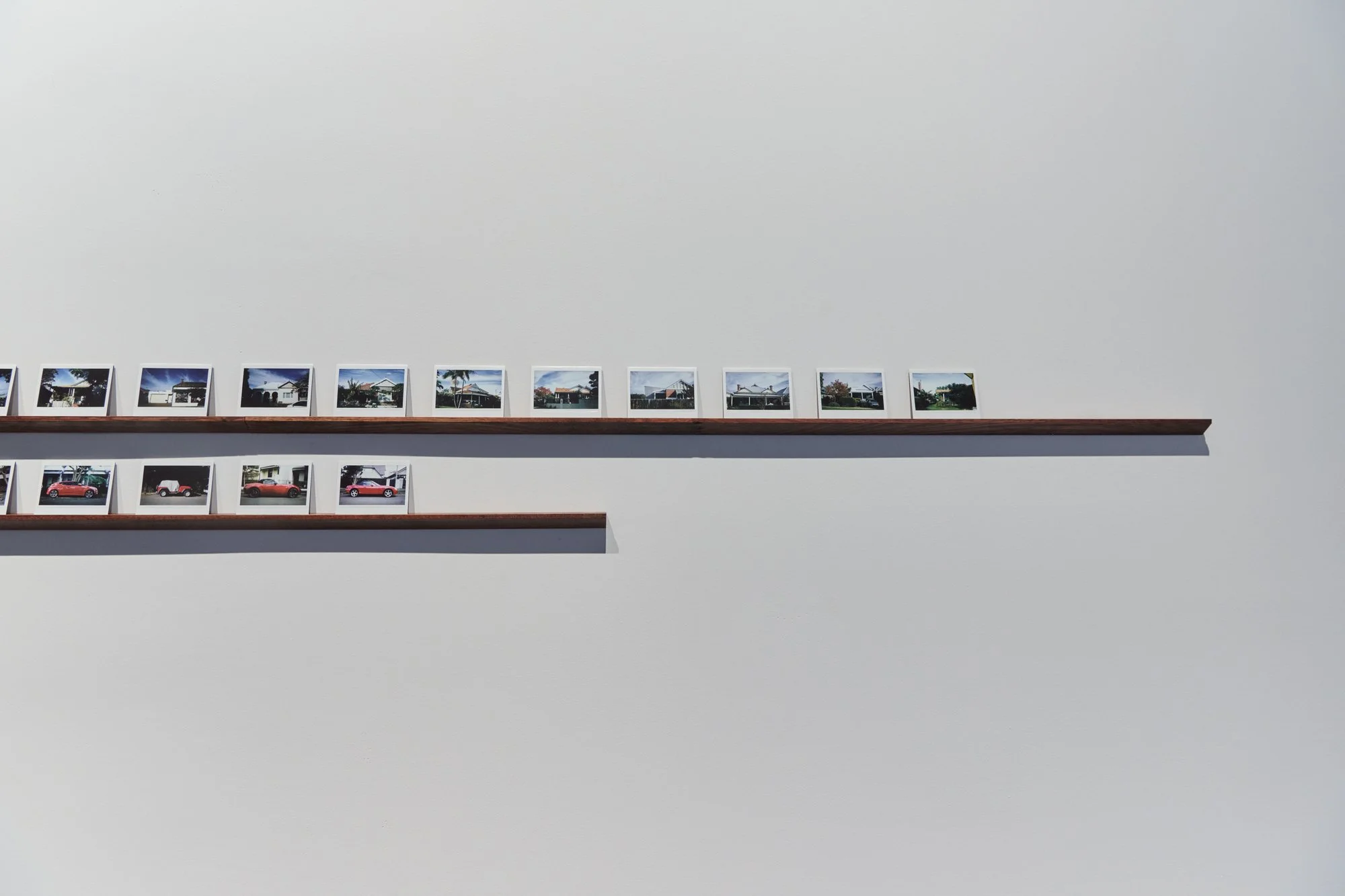
When We Win Lotto. / Nice Car. Can't Sleep In It., installation view of a Deceptively Simple Need, Perth Institute of Contemporary Art, 2025. Photo: Rebecca Mansell

When We Win Lotto. / Nice Car. Can't Sleep In It. / Displacement and Replacement, installation view of a Deceptively Simple Need, Perth Institute of Contemporary Art, 2025. Photo: Rebecca Mansell
A Deceptively Simple Need, 2025 - ongoing
A Deceptively Simple Need is the overarching thematic underpinning Alana’s defiant exposition of the cultural and social implications of property ownership, housing insecurity, and the ongoing impact of colonialism in contemporary Australia.
It deepens her decade-long practice, positioning settler-colonial violence and complicity not as a past event, but an ongoing force. Fuelled by lived experience of housing precarity, rigorous research and a sharp interrogation of the history of housing on this continent, this work moves with discomfort, hope, absurdity, hard numbers, injustice and real-life needs and will culminate over the coming years into a work of creative non-fiction.
EXHIBITIONS:
A Deceptively Simple Need, Perth Institute of Contemporary Art (17 October - 21 December 2025)
To the Owner, UTS Gallery, (8 September - 12 December 2026)
FILM FESTIVALS:
Visions du Reel, world premiere, Switzerland, April 2026
SOCIAL INTERVENTION:
To the Owner (of multiple properties) (2025–ongoing), comprises more than 3,000 oversized letters hand-delivered by Hunt "to the wealthiest streets in the wealthiest suburbs" of Sydney. Using deadpan humour to reveal the absurdities of the inequalities and structures that sustain precarity, the letters outline a playful, yet genuine proposition to the wealthy for patronage in the form of free housing for a decade.

To the Owner (of multiple properties, letter distribution Sydney, 2025—ongoing. Photo: Ben Lindberg

To the Owner (of multiple properties, letter distribution Sydney, 2025—ongoing. Photo: Ben Lindberg
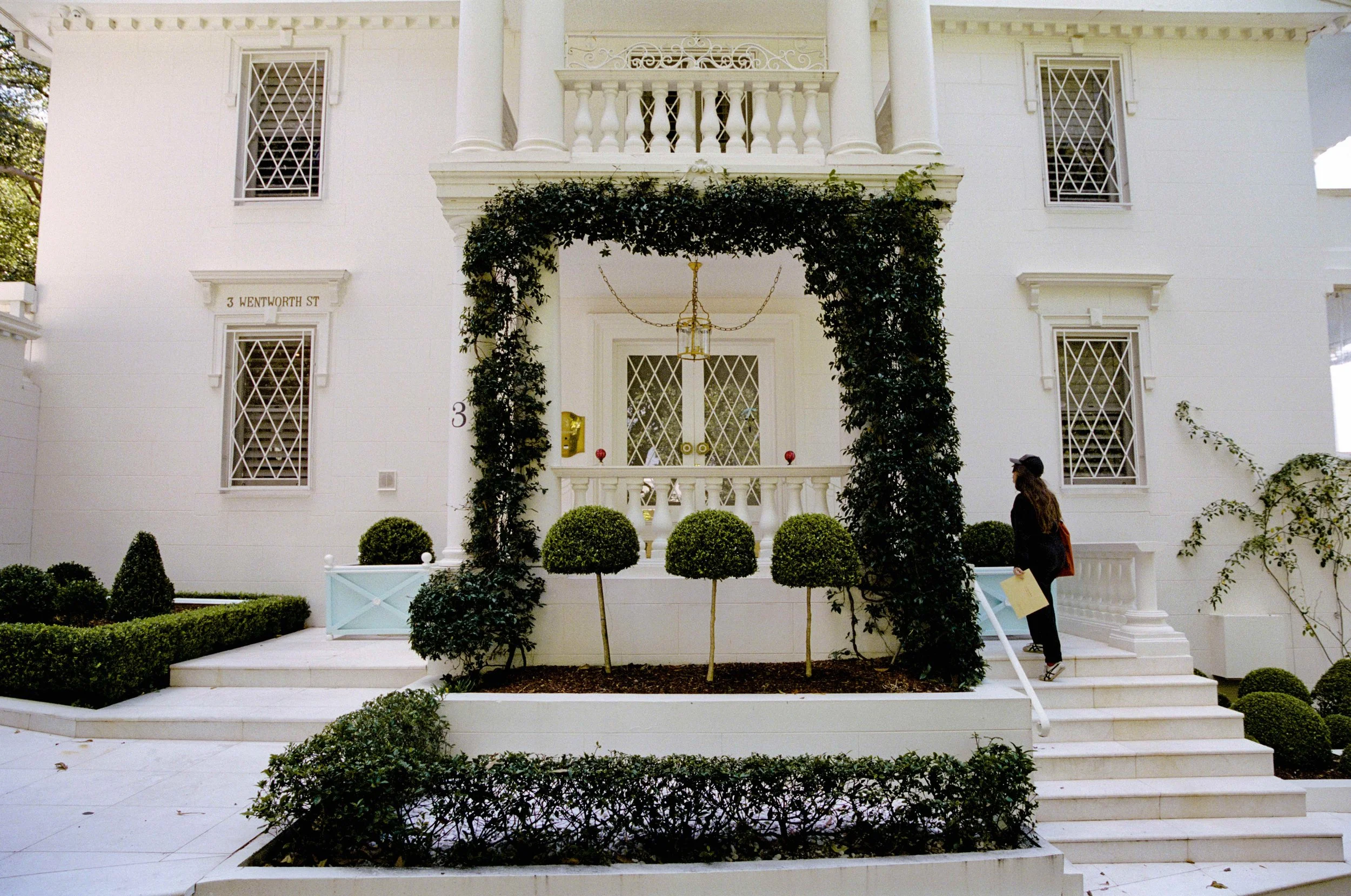
To the Owner (of multiple properties, letter distribution Sydney, 2025—ongoing. Photo: Ben Lindberg
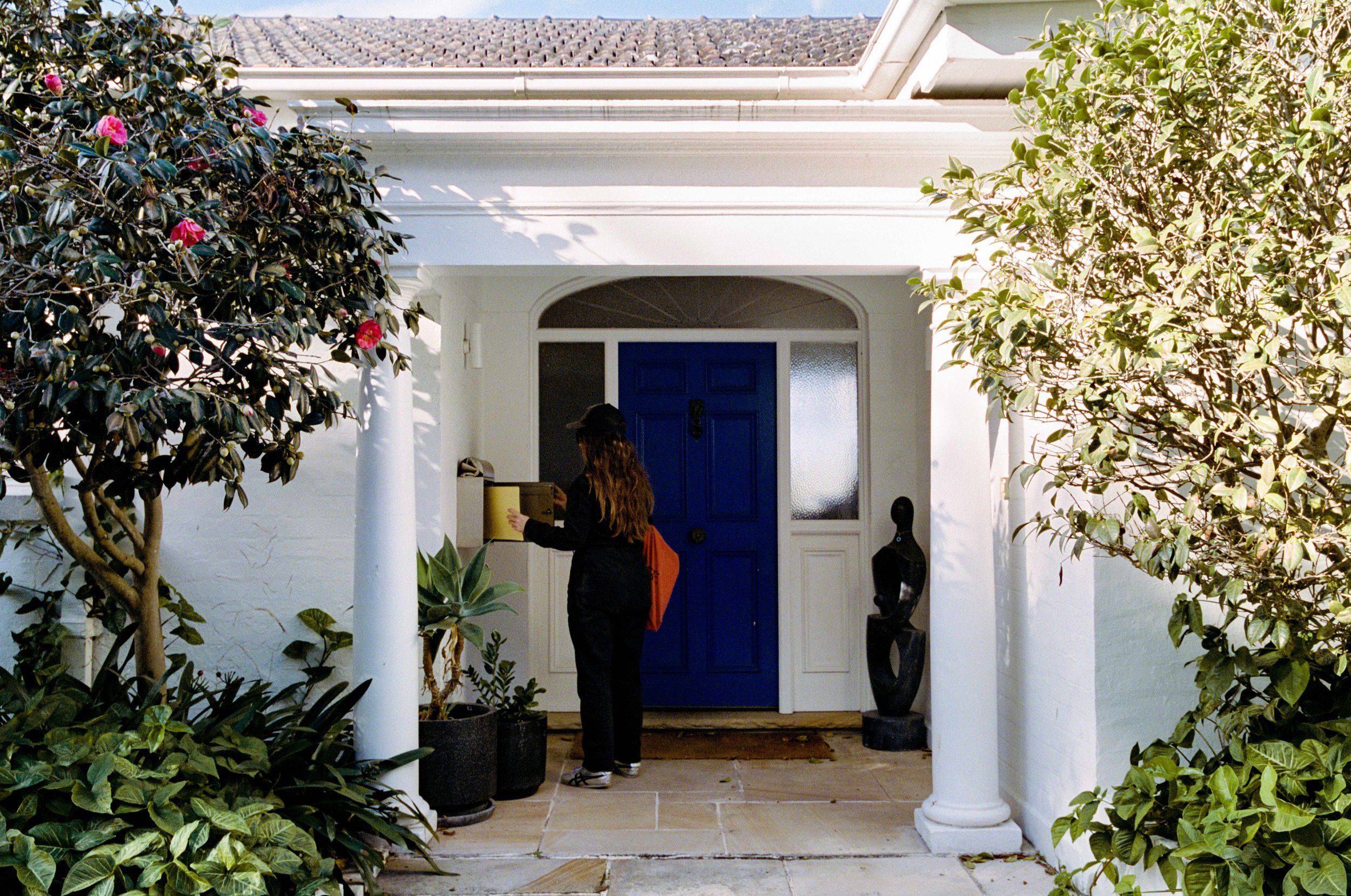
To the Owner (of multiple properties, letter distribution Sydney, 2025—ongoing. Photo: Ben Lindberg
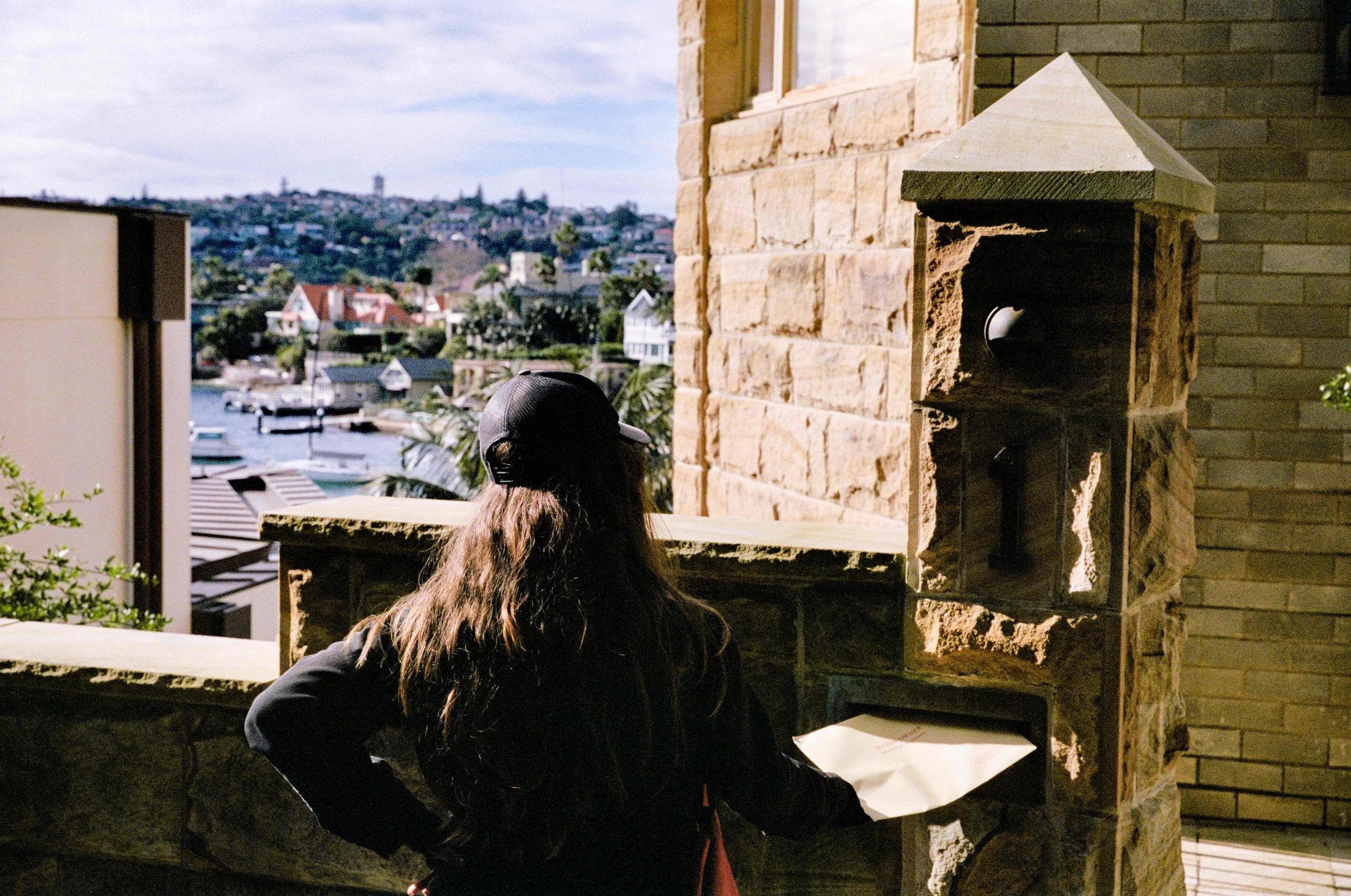
To the Owner (of multiple properties, letter distribution Sydney, 2025—ongoing. Photo: Ben Lindberg
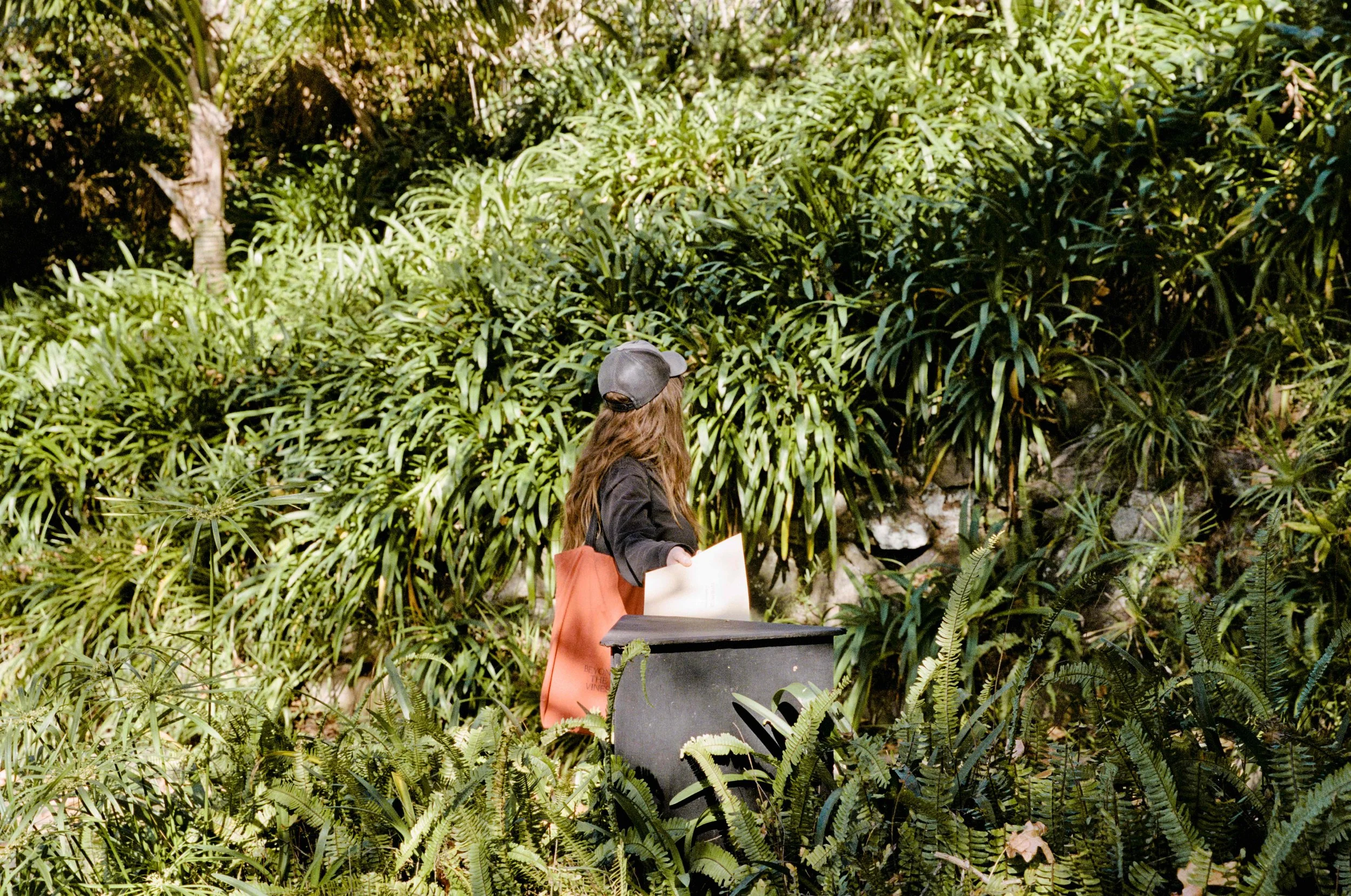
To the Owner (of multiple properties, letter distribution Sydney, 2025—ongoing. Photo: Ben Lindberg
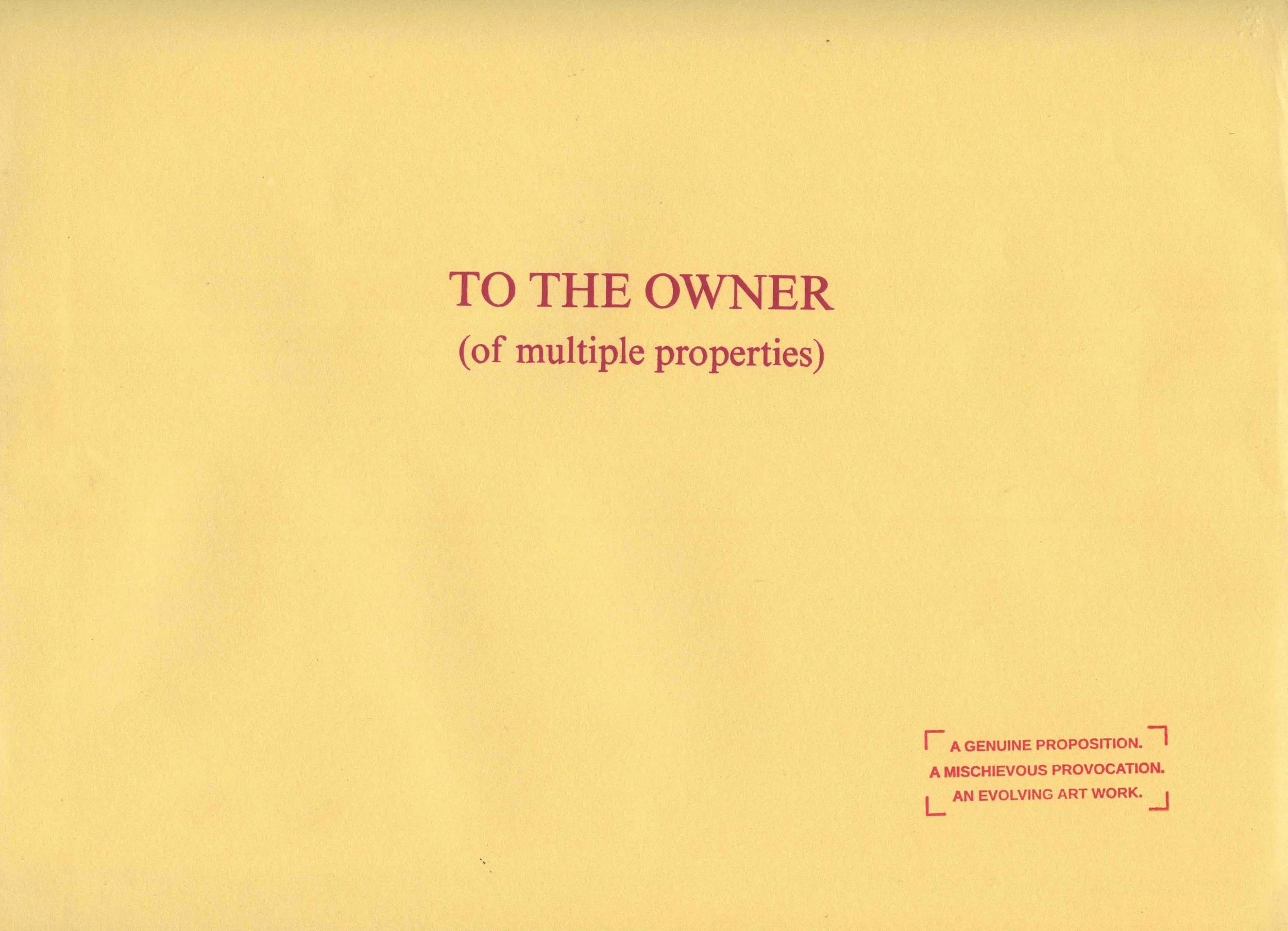
To The Owner (of multiple properties), envelope, 2025-ongoing
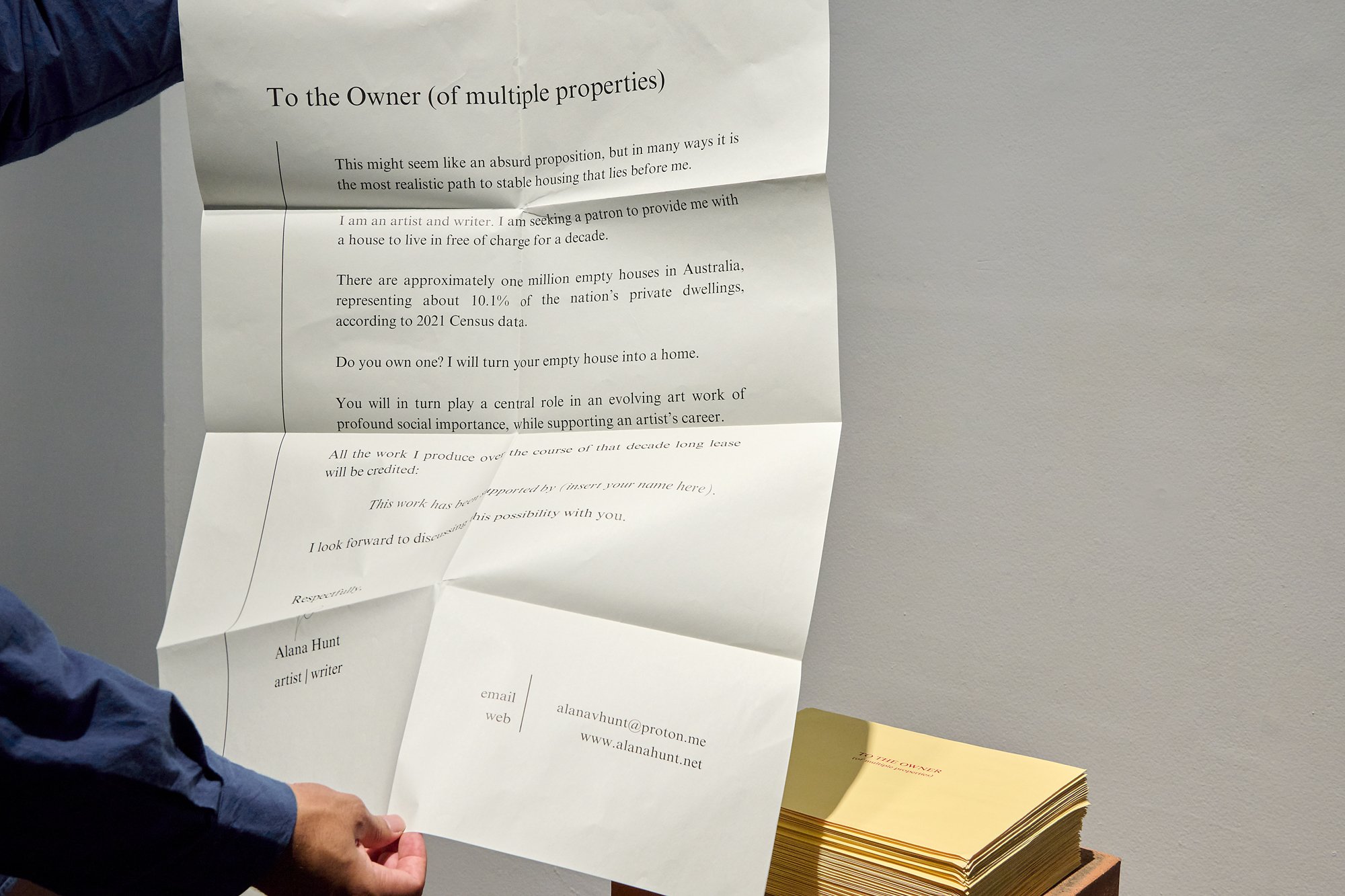
To the Owner (of multiple properties), 2025—ongoing, installation view of a Deceptively Simple Need, Perth Institute of Contemporary Art, 2025. Photo: Rebecca Mansell
Cups of nun chai, 2010-20, ongoing

The seventy-fourth cup of nun chai

installation view, Mori Gallery, 2012

newspaper serial in 86 editions of Kashmir Reader, Srinagar, 2016-17

newspaper archive

Cups of nun chai, the book, installation view Sunaparanta Centre for the Arts, Goa. Photo by Sohrab Hura

Cups of nun chai, chapter title, installation view Sunaparanta Centre for the Arts, Goa. Photo by Sohrab Hura
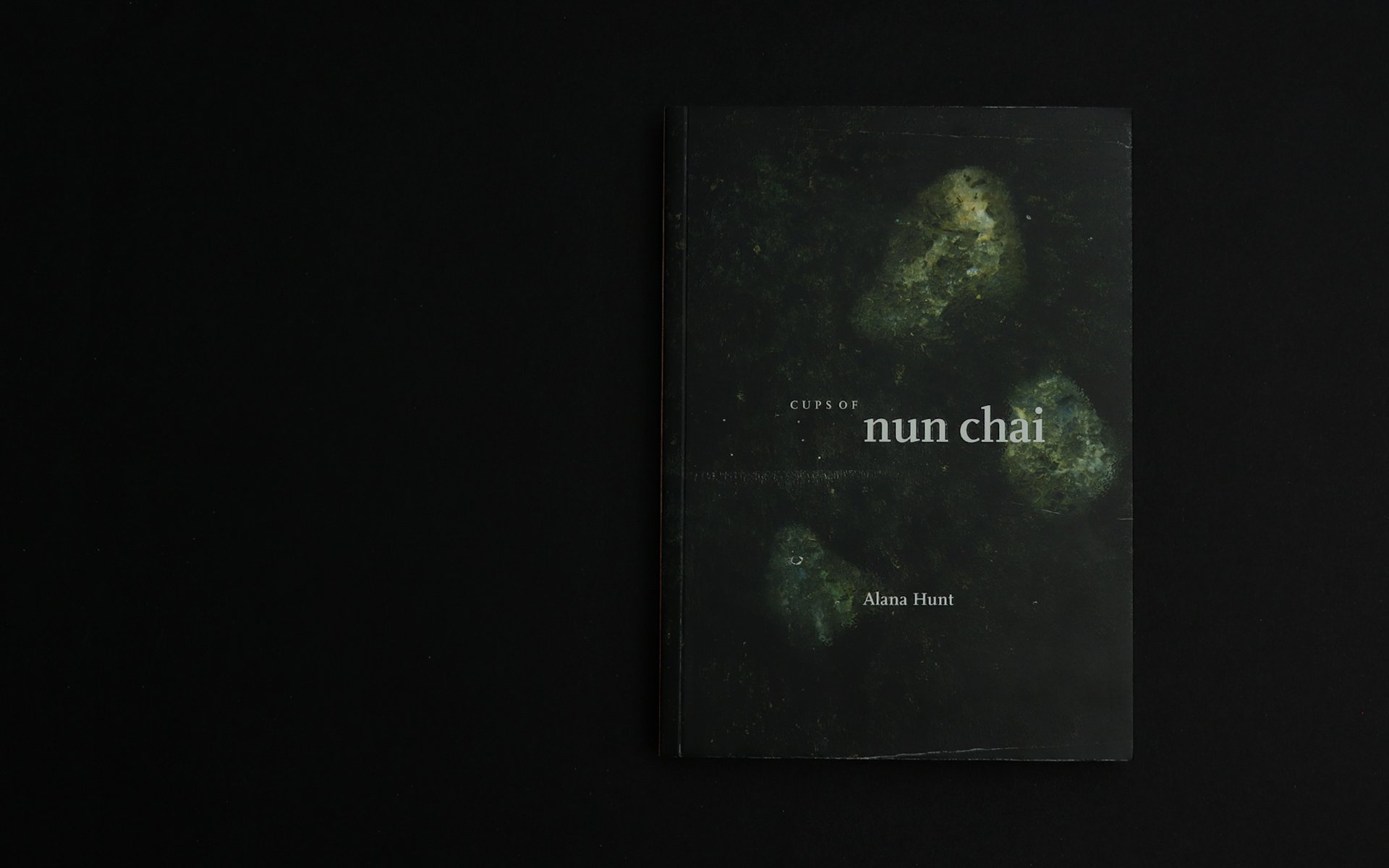
Cups of nun chai, published by Yaarbal Books, 2020. Photo by Itu Chaudhuri Design
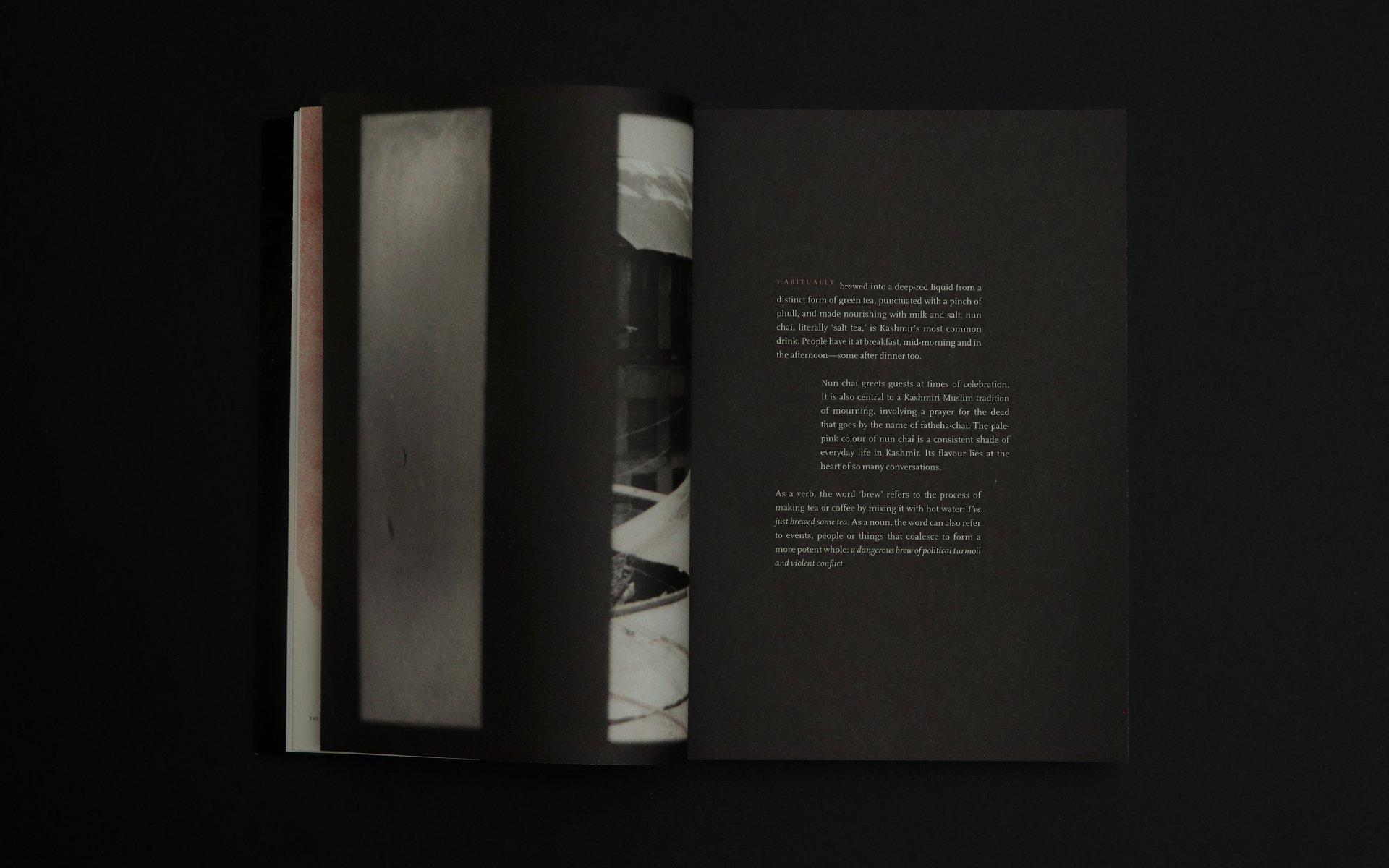
Cups of nun chai, published by Yaarbal Books, 2020. Photo by Itu Chaudhuri Design

Cups of nun chai, published by Yaarbal Books, 2020. Photo by Itu Chaudhuri Design
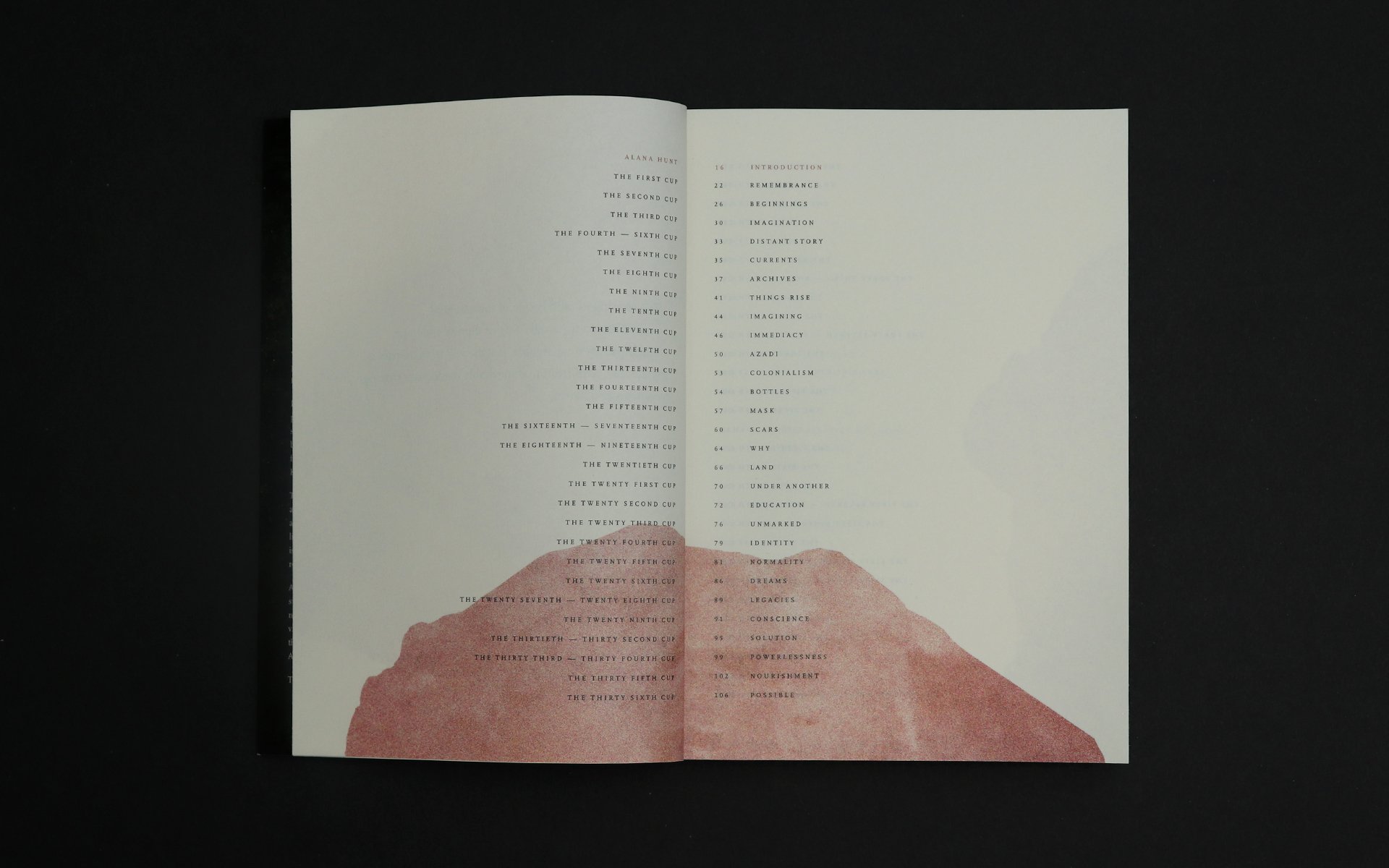
Cups of nun chai, published by Yaarbal Books, 2020. Photo by Itu Chaudhuri Design
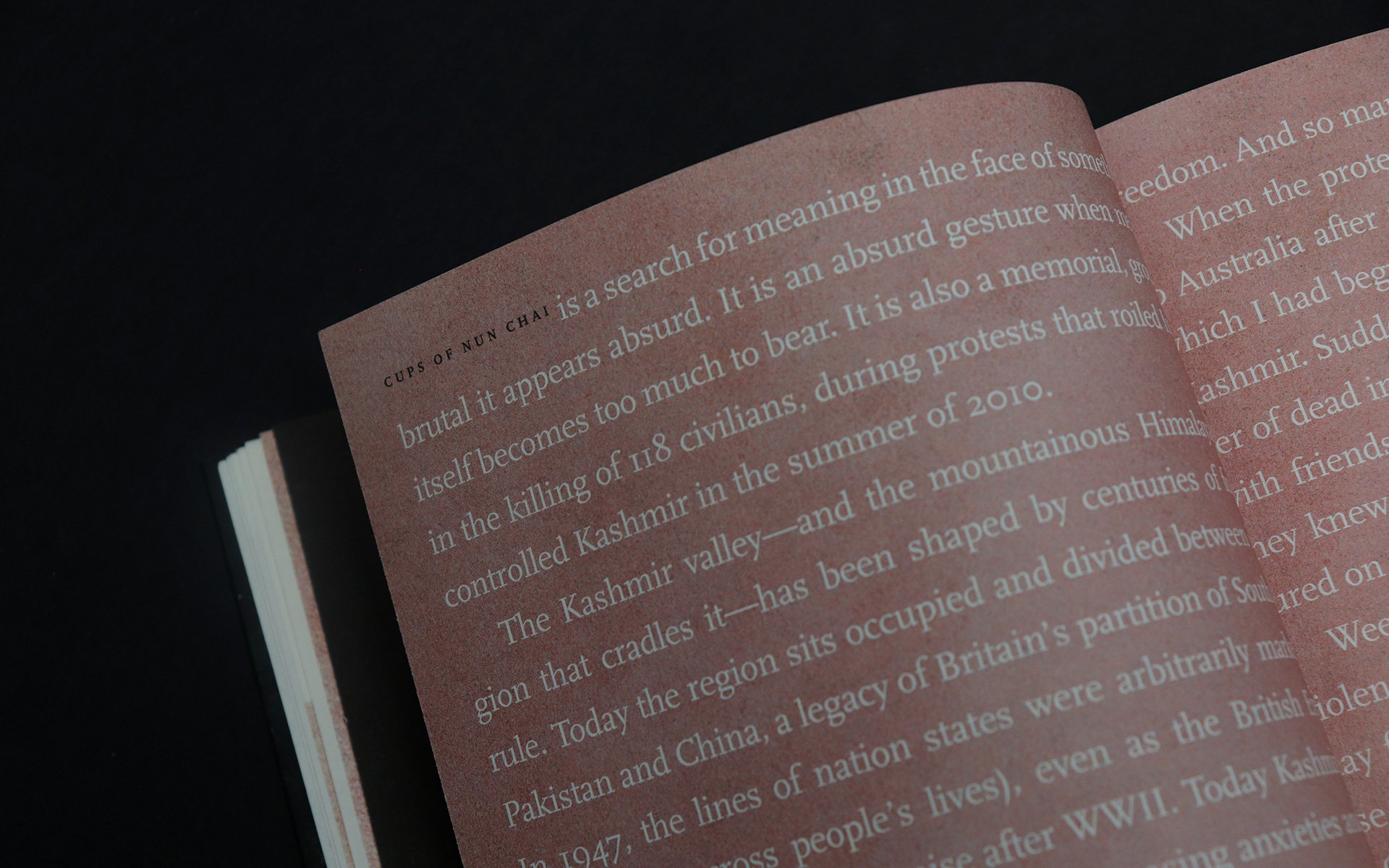
Cups of nun chai, published by Yaarbal Books, 2020. Photo by Itu Chaudhuri Design
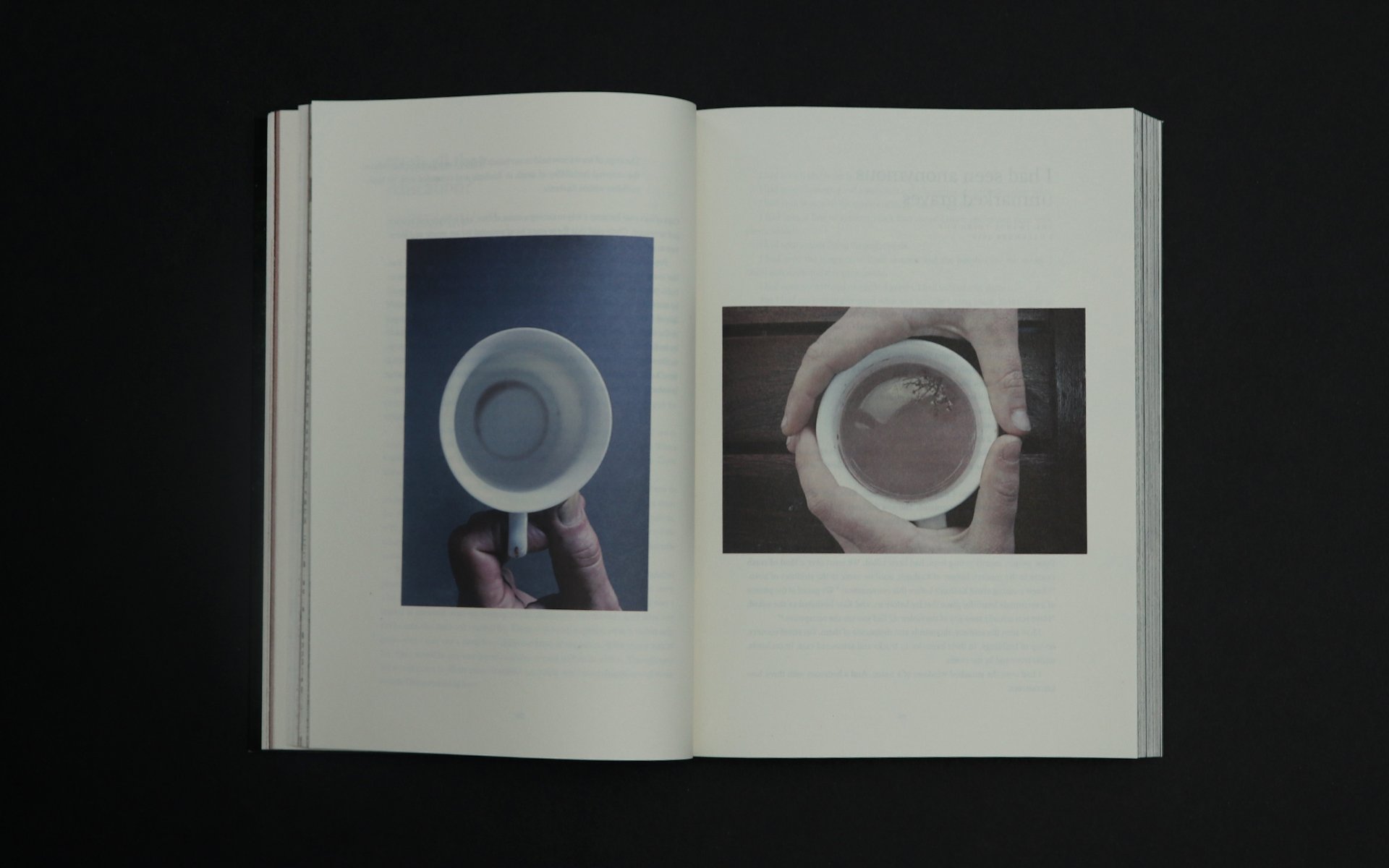
Cups of nun chai, published by Yaarbal Books, 2020. Photo by Itu Chaudhuri Design
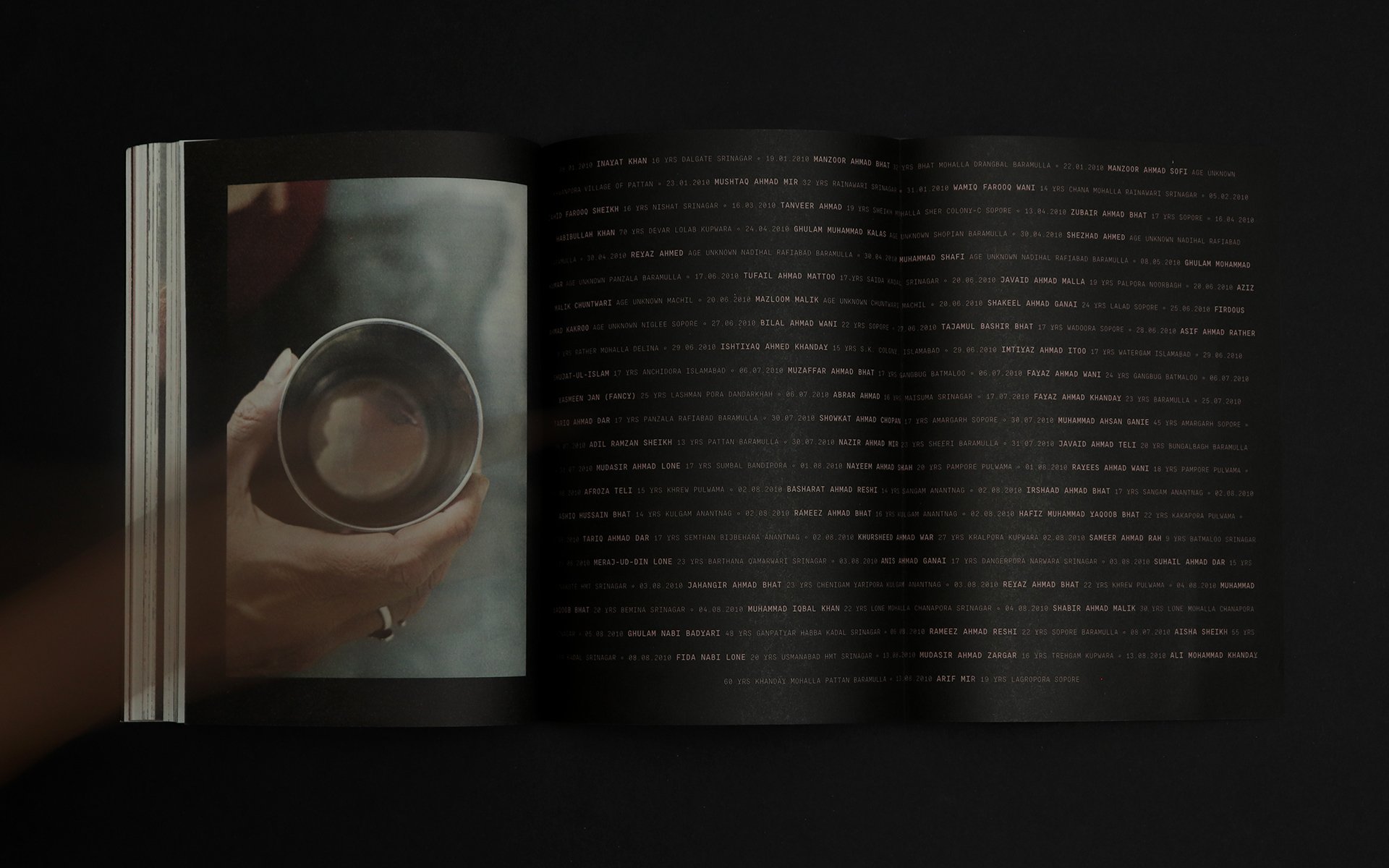
Cups of nun chai, published by Yaarbal Books, 2020. Photo by Itu Chaudhuri Design
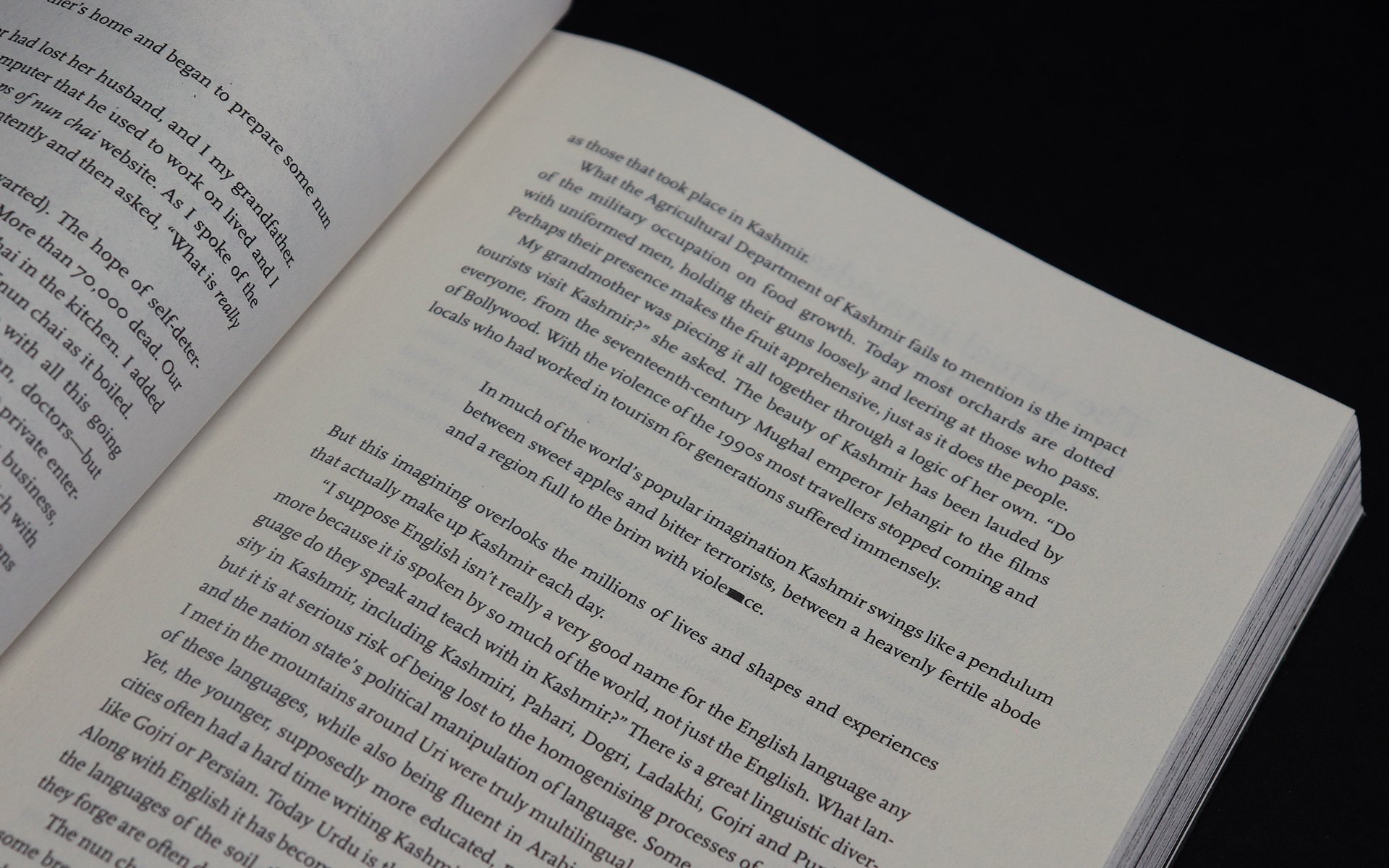
Cups of nun chai, published by Yaarbal Books, 2020. Photo by Itu Chaudhuri Design
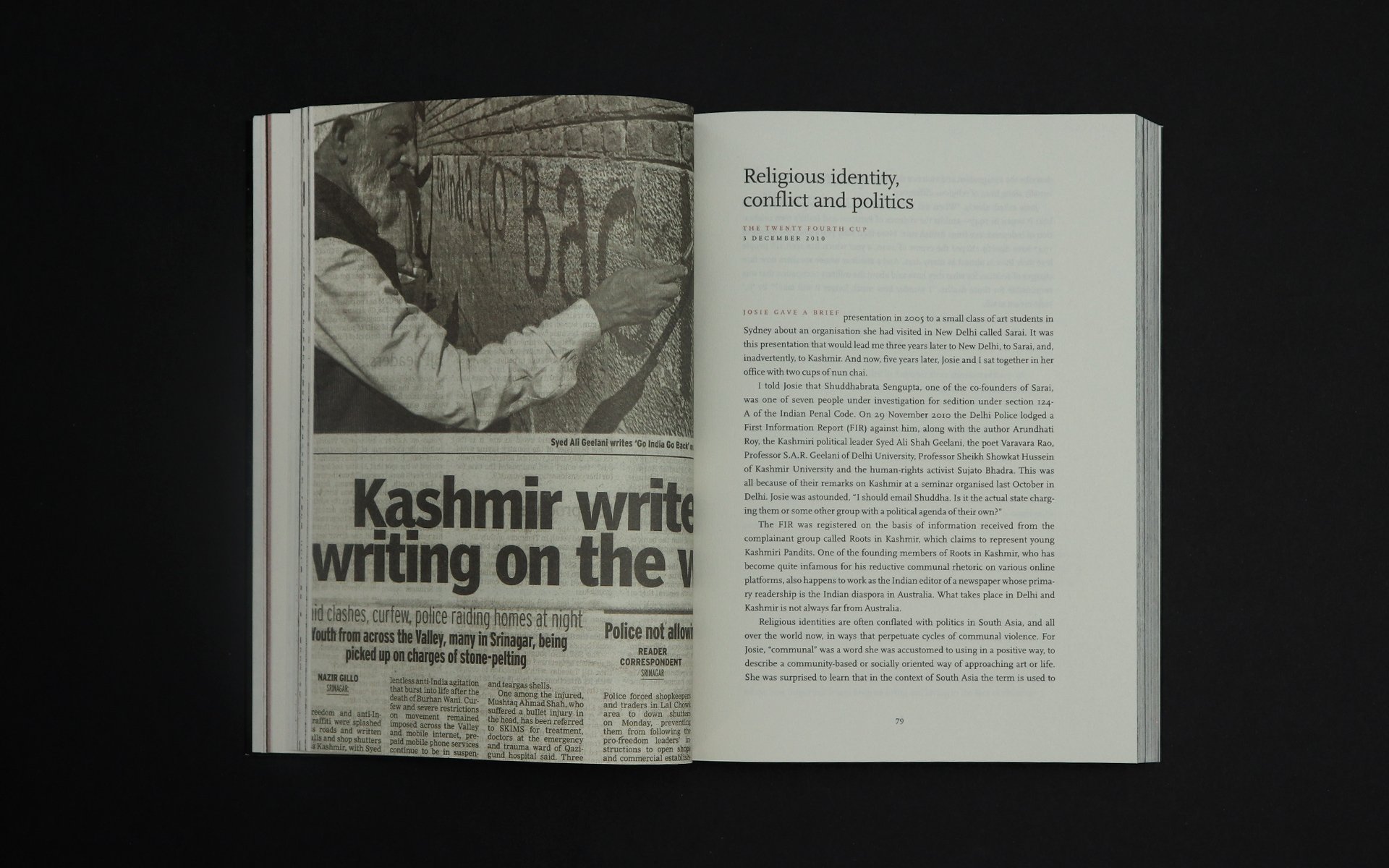
Cups of nun chai, published by Yaarbal Books, 2020. Photo by Itu Chaudhuri Design
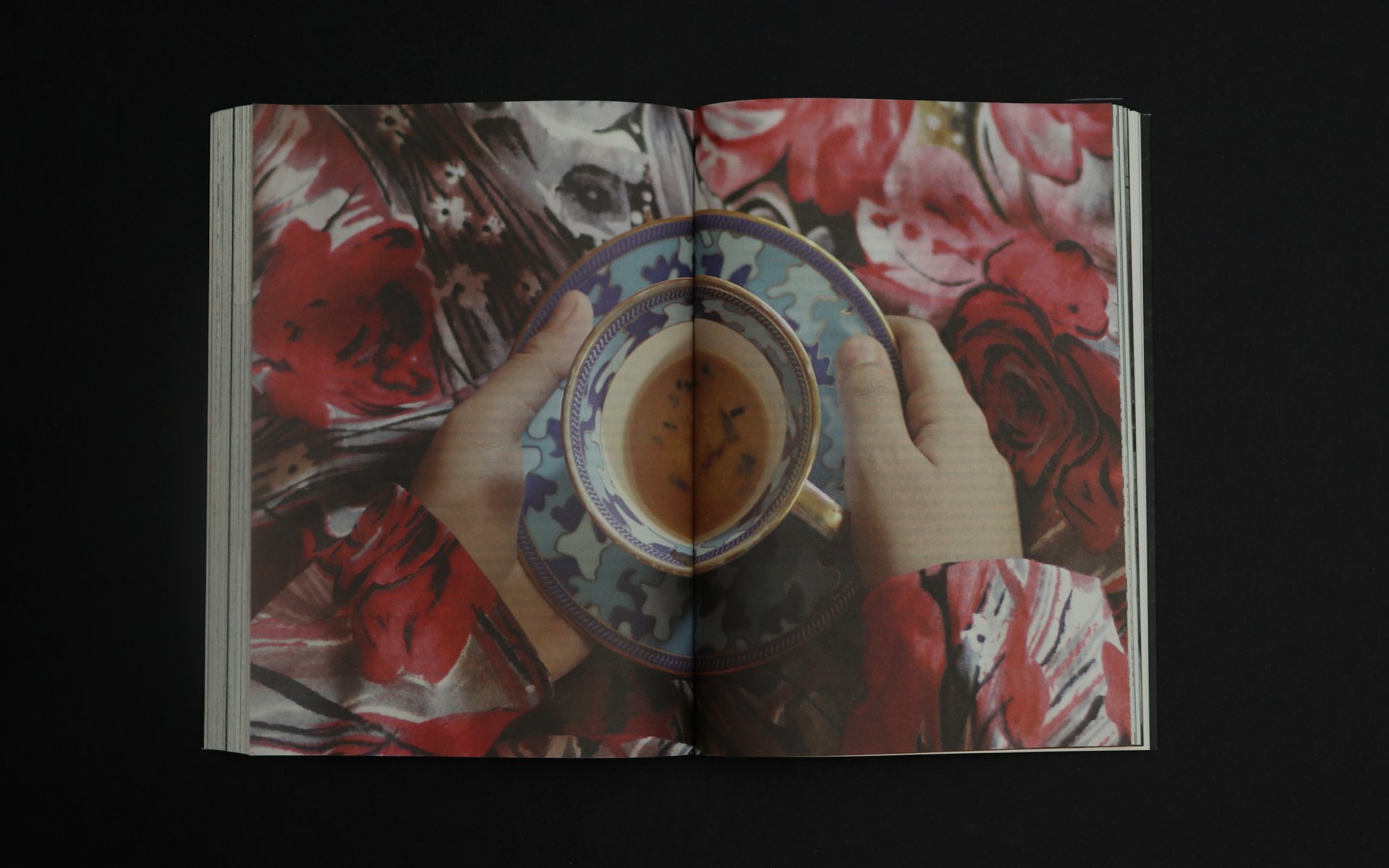
Cups of nun chai, published by Yaarbal Books, 2020. Photo by Itu Chaudhuri Design
Cups of nun chai, published by Yaarbal Books, 2020. Photo by Itu Chaudhuri Design
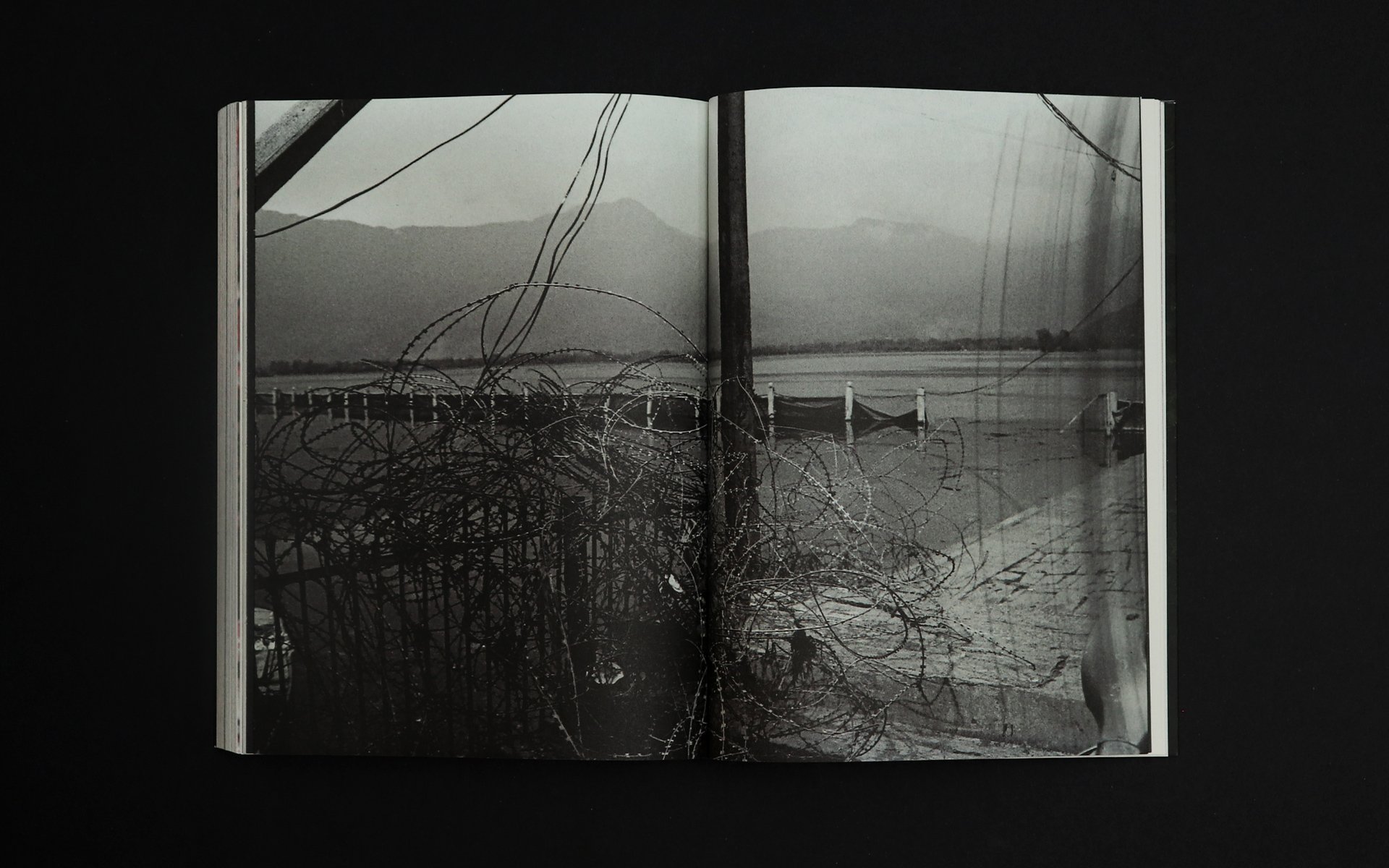
Cups of nun chai, published by Yaarbal Books, 2020. Photo by Itu Chaudhuri Design
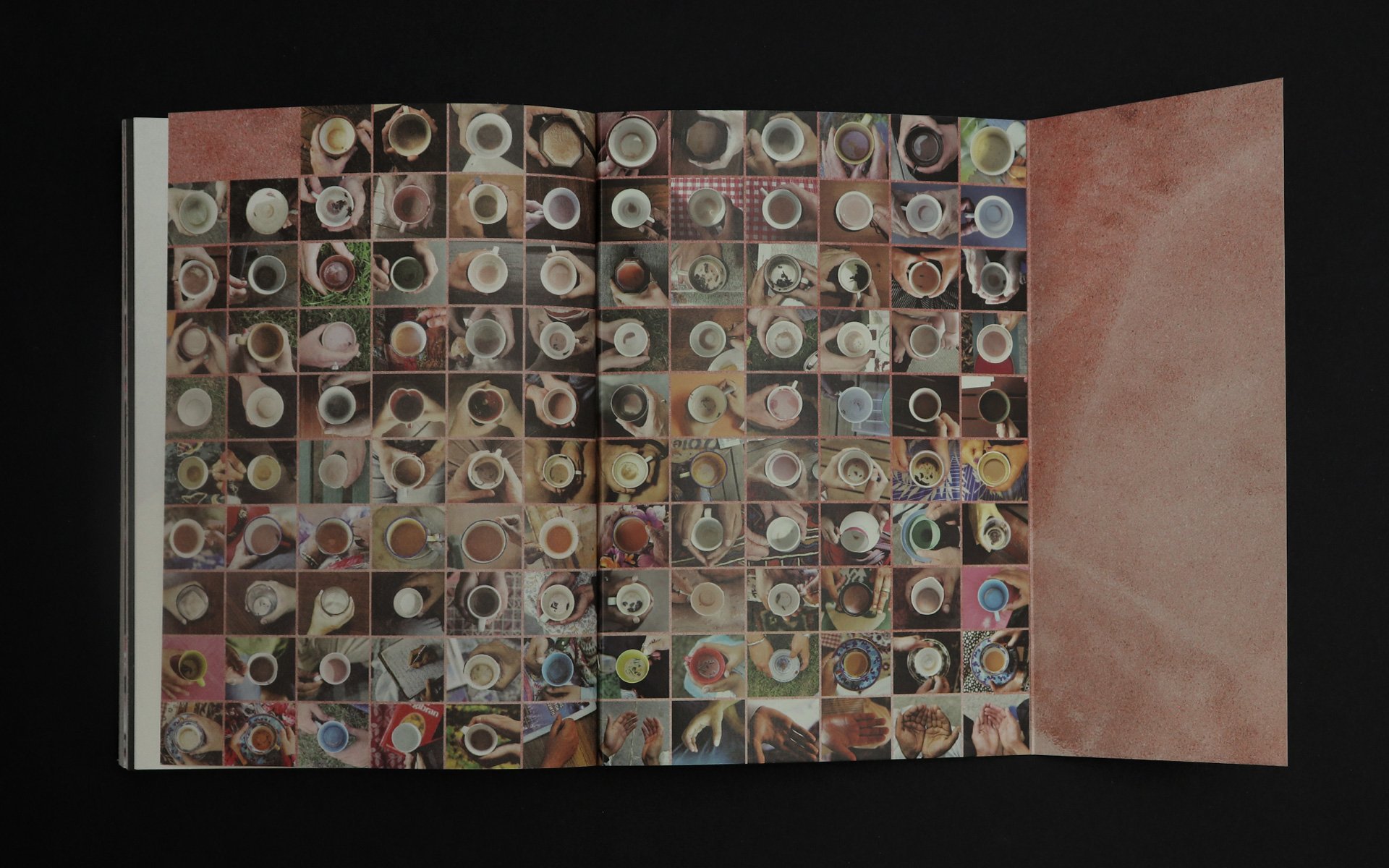
Cups of nun chai, published by Yaarbal Books, 2020. Photo by Itu Chaudhuri Design
Excerpt from the introduction to Cups of nun chai published by Yaarbal Books, New Delhi, 2020, reprinted 2021 and 2026.
Habitually brewed into a deep-red liquid from a distinct form of green tea, punctuated with a pinch of phull, and made nourishing with milk and salt, nun chai, literally 'salt tea,' is Kashmir's most common drink. People have it at breakfast, mid-morning and in the afternoon—some after dinner too.
Nun chai greets guests at times of celebration. It is also central to a Kashmiri Muslim tradition of mourning, involving a prayer for the dead that goes by the name of fatheha-chai. The pale-pink colour of nun chai is a consistent shade of everyday life in Kashmir. Its flavour lies at the heart of so many conversations.
As a verb, the word 'brew' refers to the process of making tea or coffee by mixing it with hot water: I've just brewed some tea. As a noun, the word can also refer to events, people or things that coalesce to form a more potent whole: a dangerous brew of political turmoil and violent conflict.
—
Cups of nun chai is a search for meaning in the face of something so brutal it appears absurd. It is an absurd gesture when meaning itself becomes too much to bear. It is also a memorial, grounded in the killing of 118 civilians, during protests that roiled Indian-controlled Kashmir in the summer of 2010.
The Kashmir valley—and the mountainous Himalayan region that cradles it—has been shaped by centuries of foreign rule. Today the region sits occupied and divided between India, Pakistan and China, a legacy of Britain's partition of South Asia. In 1947, the lines of nation states were arbitrarily marked on maps (and across people's lives), even as the British Empire reckoned with its own demise after WWII. Today Kashmir's relationship with India lays bare the unceasing anxieties and consequent brutalities of the modern, democratic nation-state.
For more than seventy years, people in Indian-controlled Kashmir have been thinking, talking, fighting and waiting for the right to self-determination. Over 70,000 people have been killed since the armed rebellion broke out in 1989, most of them in the counterinsurgency war waged by India against a popular armed movement. Kashmir is a torn place; endless kilometres of barbed wire run like open veins across its surfaces, and bunkers, check-posts and military camps fragment the places people call home. Though definitions will vary, as they should, people across Kashmir speak, breathe and dream of azadi, of their freedom. And so many have died because of its absence.
When the protests began in June 2010 I had just returned to Australia after almost three years in New Delhi, a period in which I had begun to visit and form friendships with people in Kashmir. Suddenly I found myself in Sydney watching the number of dead in Kashmir rise day by day. I communicated online with friends in Kashmir, caught under conditions of a curfew they knew all too well, and whose experiences were never featured on media broadcasts, which counted only the dead.
Weeks earlier, I had glimpsed the way death from political violence becomes normalised in Kashmir, one part of the everyday fabric of life. Men lured to the mountains with the promise of jobs were murdered by soldiers who passed their bodies off as militants for a reward. A cable-television operator was assassinated one evening in his home. A political worker was killed one morning in a market place. Several people, including children, had already been killed in Kashmir by India's armed forces in 2010, and the region simmered with anger. So when Tufail Ahmad Mattoo was fatally hit by a tear-gas canister as the 17-year-old made his way home from tuition, Kashmir revolted. Hundreds of thousands of people came out on the streets in protests demanding independence from Indian rule. Over 118 people were killed in almost as many days. Meanwhile, Australia barely took note; there was a gaping silence on Kashmir in its 24-hour news cycle, and other lives simply went on. Indifferent. Unaware. Elsewhere.
Cups of nun chai is born out of that juncture. It is as personal as it is political, as geographically and culturally dislocated as it is grounded. It began as a gesture towards the people of Kashmir who feel and know this loss the most, and as an attempt to render tangible what so many outside Kashmir do not know. The work moves against the normalisation of violence, in an attempt to mark this loss, and to grasp at what surrounds it. It is an archive of small moments, remembered within a terrain shaped by the persistent violence of colonisation and nation-making.
Cups of nun chai unfolded over two years of tea and conversation with 118 people, most of them in Australia, some in India, and finally, those back in Kashmir. There were no rules, so long as each person understood that their cup of nun chai formed one part of a growing memorial for those who were killed during the summer of 2010 in Kashmir. Navigating the time and space crafted by these cups of tea—at times with complete strangers—each conversation drew on the specific individual, and on their specific location, tracing connections with Kashmir across the shared global heritage of colonial violence, and particularly within South Asia and Australia. Also, and most importantly, forms of resistance to this continuing violence—from political coups and mass mobilisation, to poetry, rap music and journalism, to the vitality of the domestic sphere, and the power of dreams and gesture.
Each cup of tea was photographed and each conversation written about from memory, and these images and words accumulated progressively online. Cups of nun chai has also been included in exhibitions and events in Australia, the United States, Indonesia and Pakistan. In June 2016, on the anniversary of Tufail Ahmad Mattoo's killing, Cups of nun chai began to circulate in the Srinagar-based newspaper Kashmir Reader, like an undercover exhibition slipped within the folds of a newspaper, reaching tens of thousands of people each week over a period of 11 months.
Only a month after this serialisation began, the death of a popular rebel commander set off a wave of mourning, protest and violence at a scale that had not been seen in Kashmir since 2010. Hundreds of thousands of people across Kashmir came out to mark the martyrdom of Burhan Wani and his companions. The state responded with ever-greater force. Amidst a renewed government crackdown on civil society, Kashmir Reader was banned in October 2016 and remained out of circulation for three uncertain months. When it eventually resumed publishing, the paper continued to carry Cups of nun chai. The newspaper ban is just one of the many and ongoing pressures the Indian state exerts on Kashmir's fragile, yet determined, media fraternity. Cups of nun chai found itself published amidst daily news in the pages of Kashmir Reader, colliding with the memory of 2010, and blurring the formal lines between art work and historical document.
Like an ever-growing memory, Cups of nun chai has brewed into various iterations: tea, conversation, website, newspaper serial, exhibition, archive, reading, discussion, and now, this book. In all the various ways I've worked, it has always been about having a conversation with Kashmir, rather than 'looking' at it. And making that conversation, or fragments of it, legible to the public in ways that can spur more conversation, both within and outside of Kashmir. That process of conversing with Kashmir has enabled me to think more broadly and deeply and materially about the world—about nation states, modernity, colonisation, democracy, violence. And to see Australia, and so much of the world, with a little more clarity.
My decision to photograph hands holding cups of tea is an attempt to evade the dominant modes within which Kashmir is represented. It is to try and carve out a different space to nurture some sense of care and understanding and revolt—a space between the atrocity and denial, which Parvaiz Bukhari speaks of in his brief but potent essay in this book.
So much has passed in the intervening years, and there is no doubt these texts and the conversations that shaped them would be different had they been written or spoken now. On 5 August 2019 the Indian Parliament revoked whatever had been left of Kashmir's limited autonomy, paving the way for a demographic change that is aimed at eventually rendering the Kashmiri Muslim population a minority. Following the revocation, Indian-controlled Kashmir was brought to a standstill through curfews and mass imprisonment, and an unprecedented communication shutdown, much of which continues as I write.
What has taken place since 5 August 2019 is part of a long and ongoing continuum for Kashmir, as Uzma Falak's essay at the end of this book details with lucidity and power. Cups of nun chai holds together pieces of this story, forging a narrative of pasts that linger in the present, swimming against so much of what abounds in this world. Within it are personal stories that touch on the failures of democracy, military occupation and state violence, the power of the media, and the idea of freedom. And Kashmir's place in the world we all share.
ALANA HUNT • YAARBAL BOOKS, 2020
Paper txt msgs from Kashmir, 2009-11
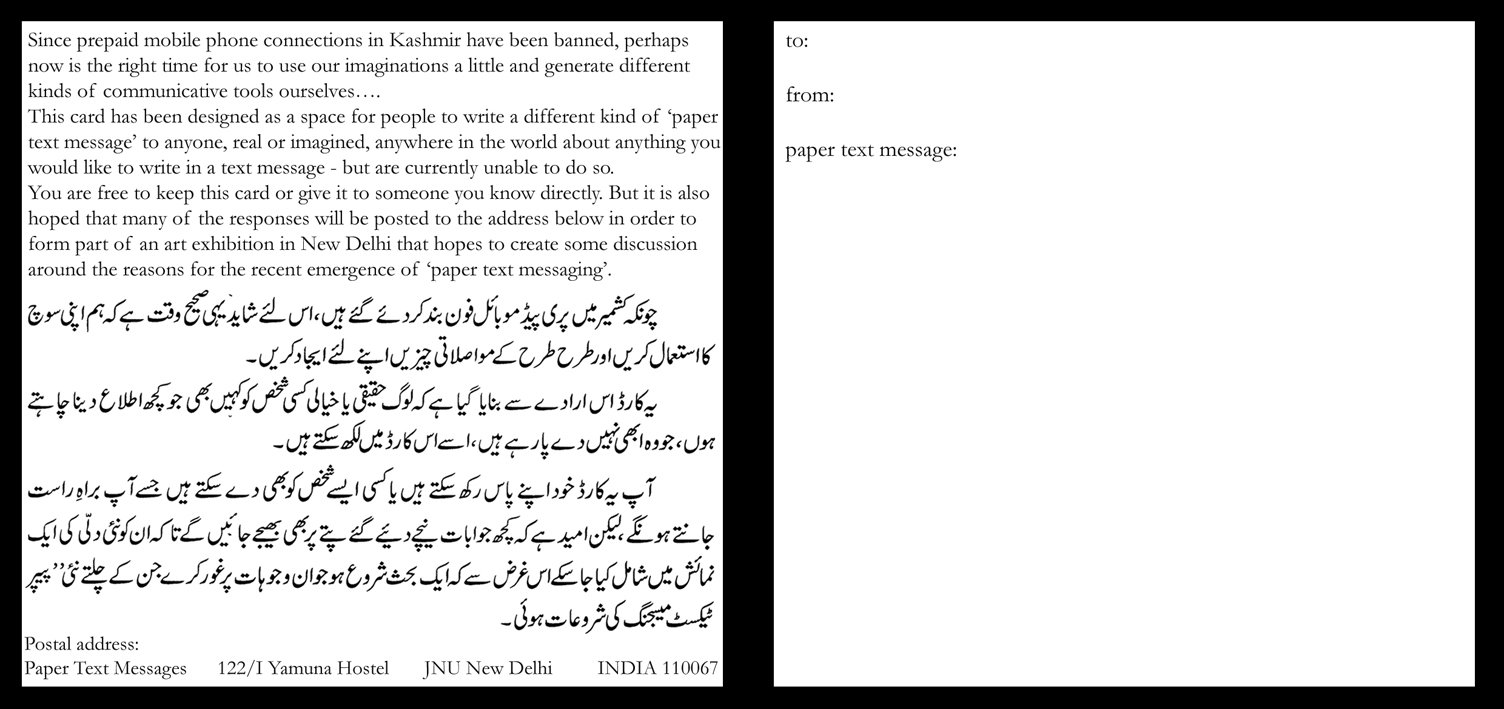
The original paper txt msg

one of 150 paper txt msgs from Kashmir

one of 150 paper txt msgs from Kashmir

one of 150 paper txt msgs from Kashmir

one of 150 paper txt msgs from Kashmir

one of 150 paper txt msgs from Kashmir

one of 150 paper txt msgs from Kashmir

one of 150 paper txt msgs from Kashmir

still from the video

still from the video

still from the video
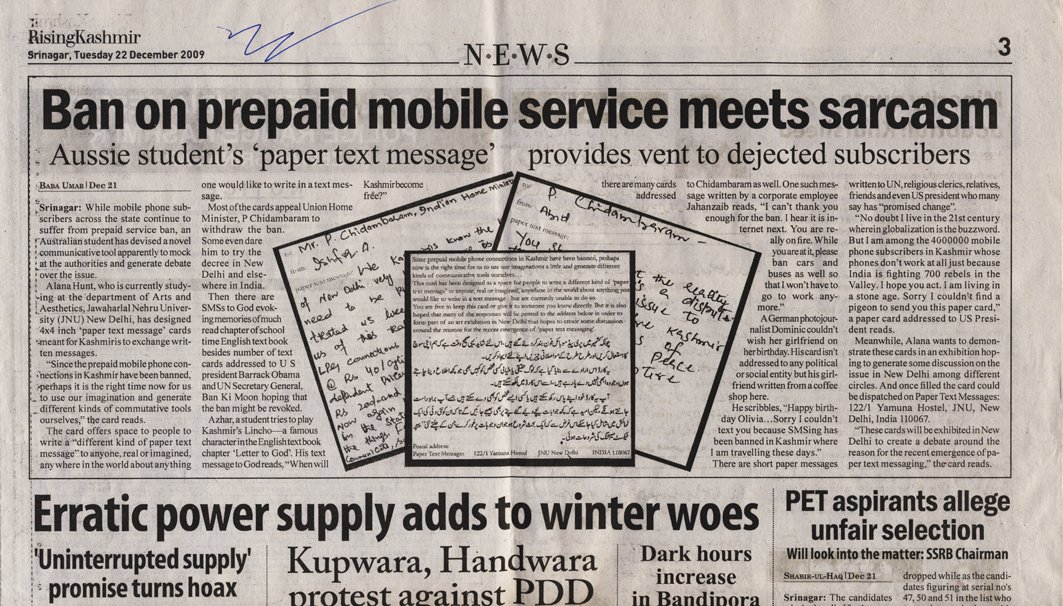
media
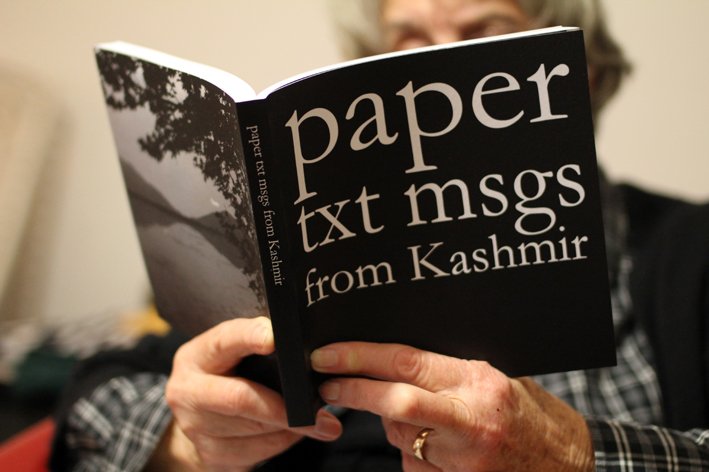
Paper txt msgs from Kashmir, the book, edition of 70

installation view, 2011

photocopied bootleg edition